The increase in primary sector exports may not match the percentage gains of 2024-2025 but the mere fact they on the increase is good news for a sorely constrained industrial construction sector. Leading industrial builder Calder Stewart says if the pipeline of projects across the country is confirmed, their volume of upcoming work could easily double over the next three to five years.
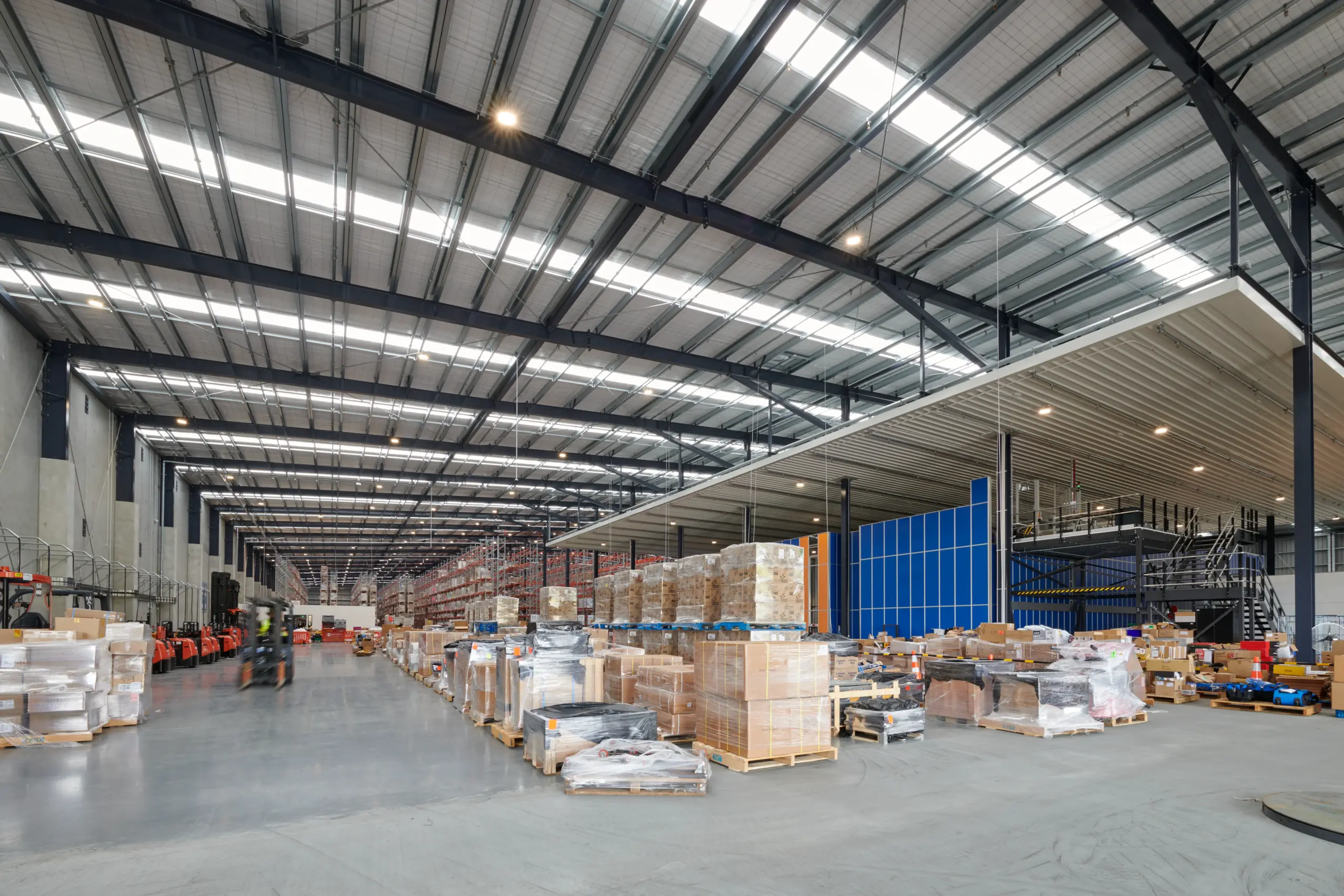
A lift of that scale would equate to roughly 75 to 100 additional roles across the country, spanning project management, engineering, construction and support functions,” says Calder’s property director Ben Stewart.
“With land scarce, building upwards makes sense because automation allows higher-density storage while maintaining efficiency.”
“Land availability is a major factor influencing development decisions, particularly in Auckland’s established logistics corridors. It is contributing to taller, more technologically advanced facilities, with high-bay and ultra high-bay warehouses allowing occupiers to operate vertically rather than expand outward
“We’re seeing consolidation into newer, larger facilities as occupiers look to improve inventory management and operate more efficiently, says Stewart.
Automation is increasing storage density and speeding up fulfilment, and that is reshaping how warehouses are designed.”
“With limited green field sites coming on line in strategic locations, opportunities to secure scale do not arise frequently and when they become available, businesses tend to act quickly.”
Large industrial builds also engage hundreds of subcontractors and specialist trades at peak construction, supporting broader regional employment, he says.
He says Calders plans further major developments across Auckland and the South Island over the next two years, alongside long-term industrial projects including Awarua Quadrant and Milburn Quadrant, aimed at strengthening freight connectivity and integrating renewable energy capability.
“These are long-term infrastructure decisions, and when businesses commit to facilities of this scale they are backing sustained economic activity that can also help attract other large players into the market.”
Growth in dairy, meat, forestry and horticulture exports is driving current hopes, with higher volumes putting more pressure on warehousing, temperature-controlled storage and national freight networks.
Stewart claims that in the past three years the company has delivered property projects worth more than $1.5 billion, including over 750,000 square metres of industrial buildings nationwide from its landbank of roughly 900 hectares of industrial-zoned land.
“We are providing capacity to respond as occupier demand emerges. When primary production is strong, the entire food supply chain needs staging, temperature-controlled storage and distribution capability.
“Cold storage is one of the most active areas of investment, particularly off the back of dairy and meat export growth.”
Stewart says the Auckland market is seeing strong demand not only from exporters but also from major retail and trade suppliers upgrading and consolidating their distribution networks.
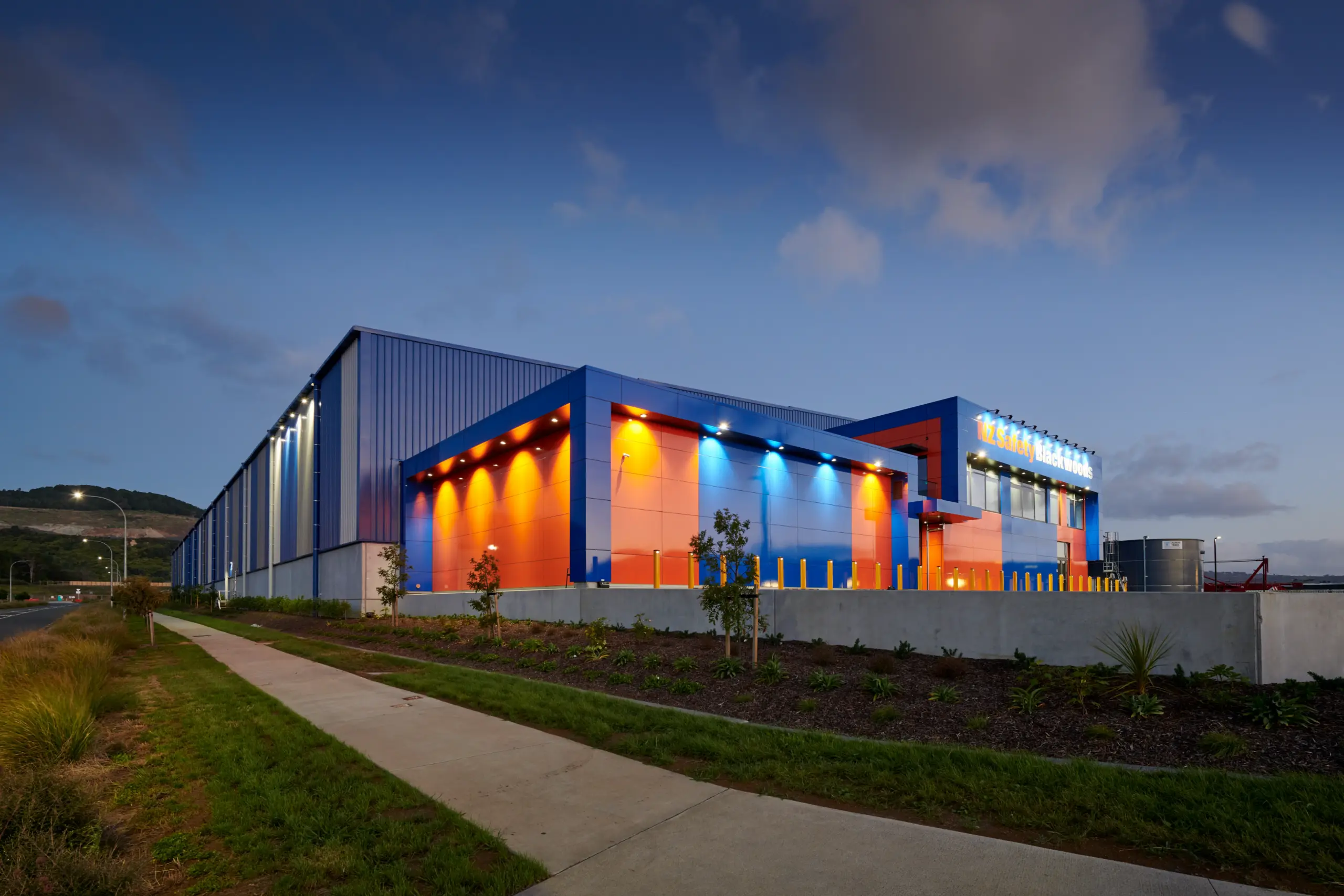
He cites NZ Safety Blackwoods’ new automated distribution centre at Drury South Crossing, developed by Calder Stewart.
The 18,000 square metre facility brings together four North Island operations into a single high-capacity hub and integrates robotic storage and retrieval systems designed to improve throughput and accuracy.
NZ Safety Blackwoods, owned by Australian-listed Wesfarmers, supplies safety equipment, engineering consumables and industrial products to construction, manufacturing and infrastructure operators nationwide.
Stewart says the project also reflects broader structural changes across industrial construction.
“We’re seeing smaller distribution sites consolidated into larger, centralised hubs. At the same time, businesses are investing more heavily in automation and focusing on efficiency and resilience.”
He says industry facilities of this scale form a critical layer of retail and distribution infrastructure supporting the construction economy.
“Construction sites rely on consistent access to safety equipment and essential consumables. When supply chains work well, productivity improves across the sector.”
Stewart says by combining automation and consolidation, the company’s Drury hub strengthens the country’s responsiveness to large infrastructure and commercial building programmes.